Timeless Terrazzo From Reclaimed Gravestones
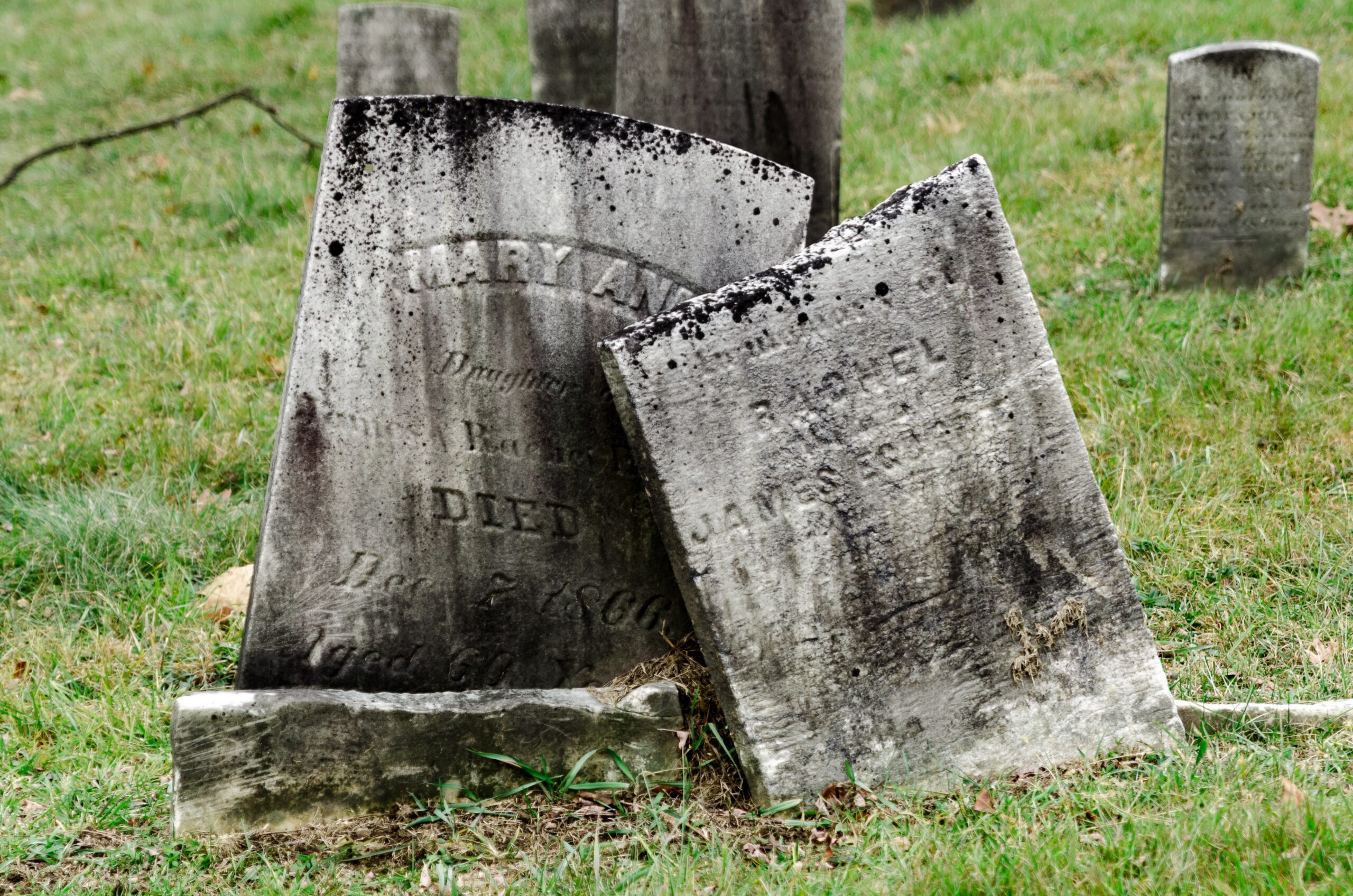
Dutch architect Peter van Assche of Bureau SLA explores how discarded gravestones can serve as a raw material for new terrazzo surfaces. The project examines how this overlooked stream of natural stone can re-enter the design and construction cycle.
Reuse of Natural Stone Waste
Van Assche initiated the project during the renovation of a former military warehouse at the Hembrug site in Zaandam. During this process, he identified the reuse potential of natural stone. In the Netherlands, generally, graves are rented for a period of 10 to 30 years. Therefore, cemeteries regularly remove gravestones when burial leases expire or sites are reorganised. These stones are durable and of high quality, yet they often end up as waste or low-grade fill.
To test their reuse, Van Assche collected around 25 tonnes of discarded gravestones. He approached them as a material resource rather than finished objects.
Development of Reclaimed Terrazzo
He processed the stones into chips and used them as aggregate in terrazzo. This method builds on traditional terrazzo techniques, where stone fragments form a composite surface. However, existing manufacturers showed limited interest due to the variability of reclaimed materials.
Van Assche therefore developed the material through an experimental process. The resulting “Timeless Terrazzo” uses mixed stone fragments to create a surface with a varied and irregular appearance.
Material Innovation and Binder Alternatives
The project also investigates alternatives to conventional cement binders. Van Assche explores lower-impact options, including binders made from industrial by-products. These alternatives could reduce the environmental impact of terrazzo production.
The next step involves scaling up production. The aim is to develop a process suitable for larger applications, such as tiles and interior surfaces.
Relevance for Design Practice
This project shows how designers can reconsider existing material streams. It demonstrates how discarded natural stone can become a resource for new applications. The approach supports broader efforts to improve material efficiency and circularity in architecture and design.
Source: Peter van Assche (via Price Circular)
Photo: PilotBrent
Comments