Smart Steel And Ultra-High-Performance Concrete Extend The Life Of Reinforced Concrete Bridges
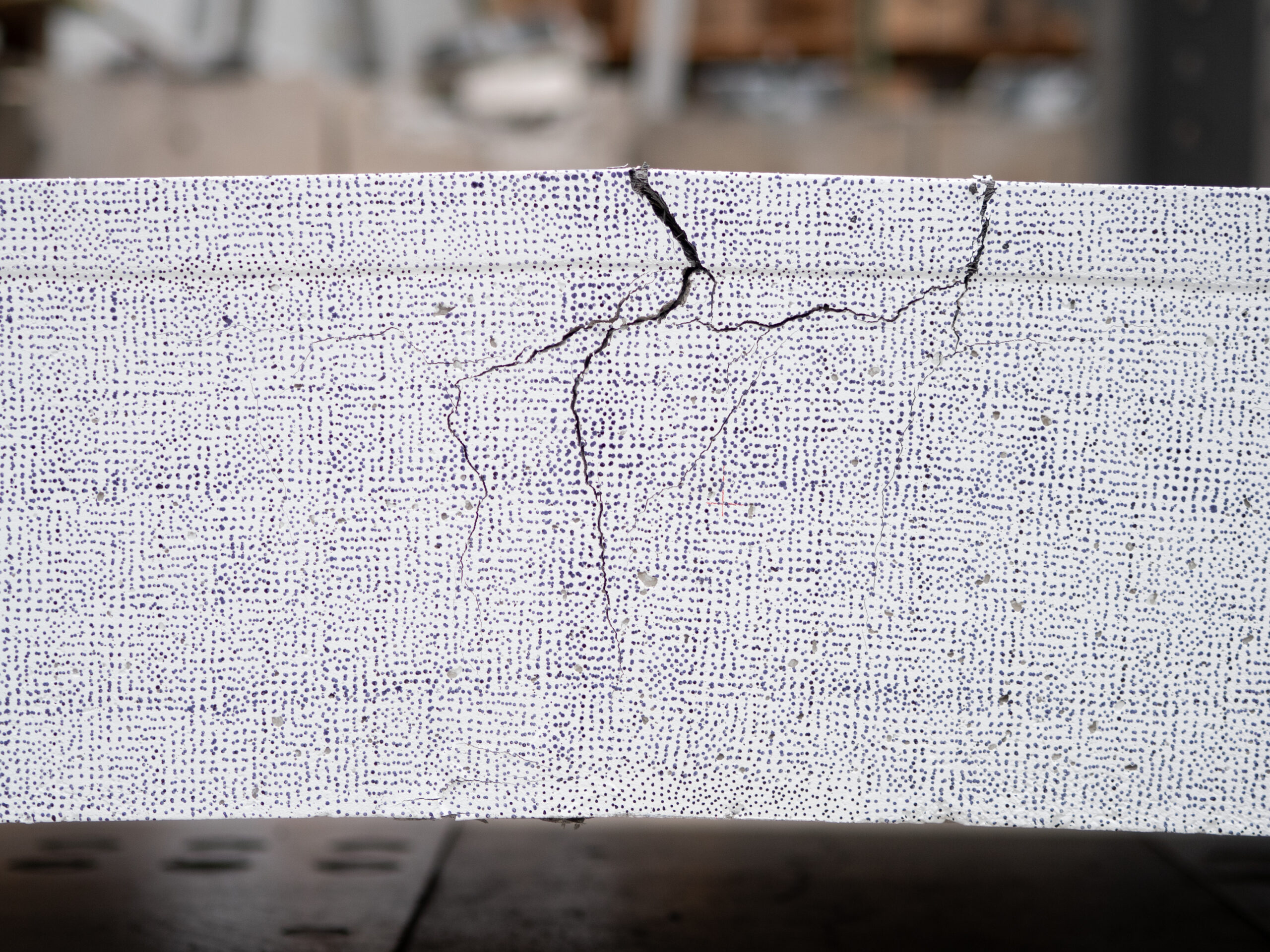
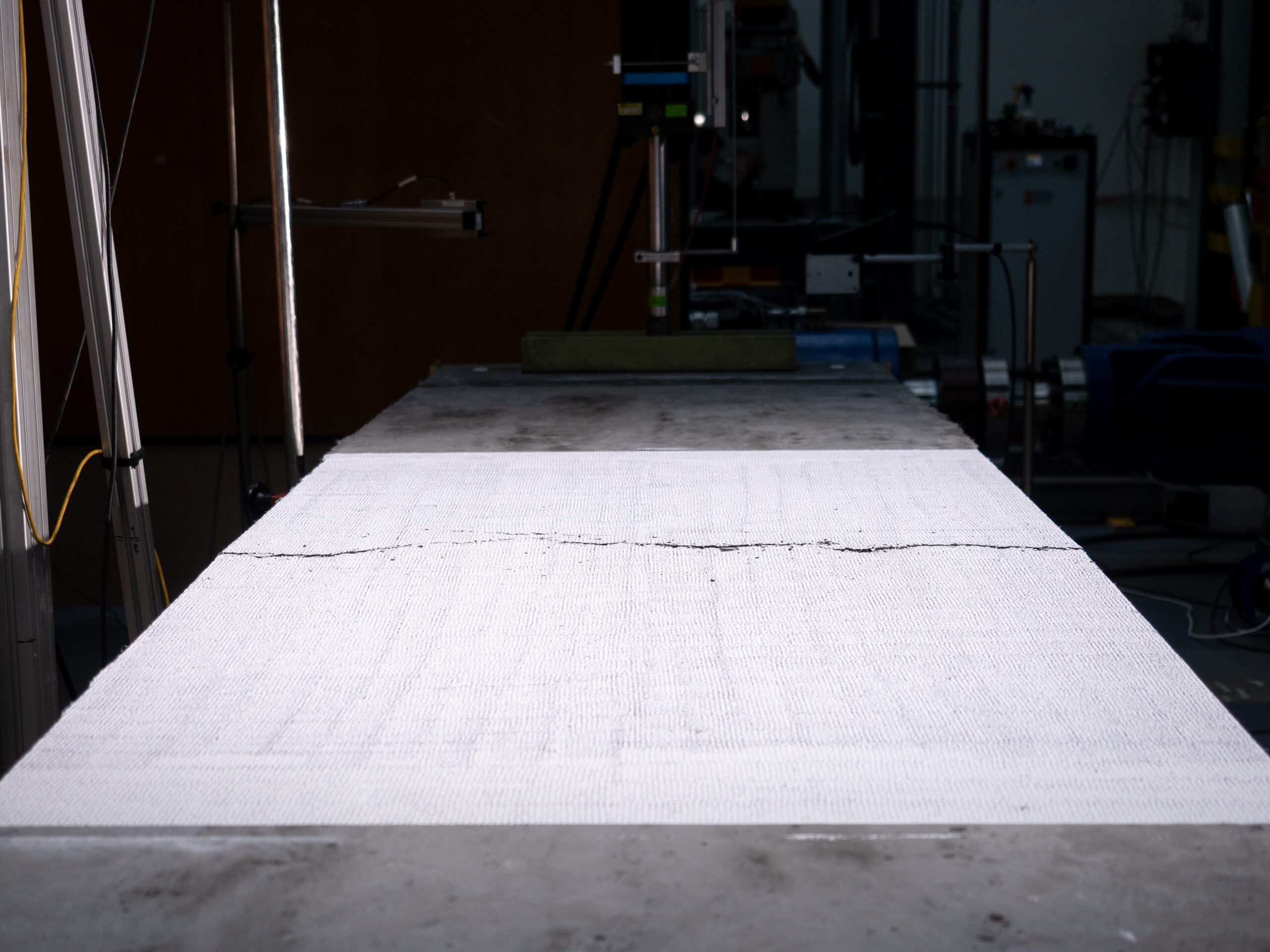
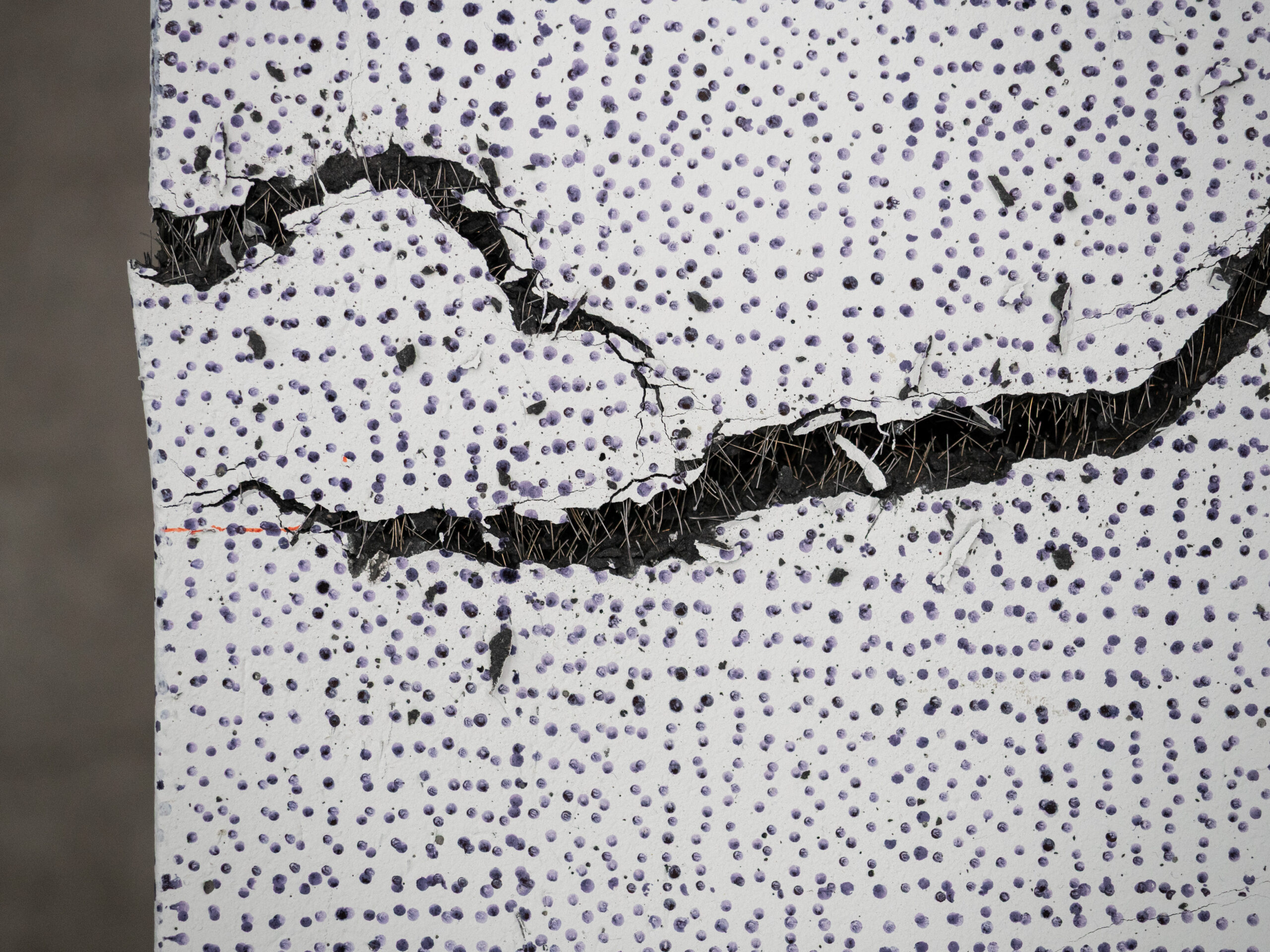
Many European bridges were built before the 1980s and are now approaching the end of their design life. Rather than demolishing and rebuilding these structures, researchers at Empa in Switzerland have developed a novel strengthening system that significantly enhances the load-bearing capacity of reinforced concrete bridges.
Conventional bridge retrofitting typically involves applying a layer of ultra-high-performance fibre-reinforced concrete (UHPFRC) to the deck slab. This dense, water-resistant concrete improves durability and protects against further deterioration. Steel reinforcement bars are embedded within this layer to increase strength.
Empa’s research team has taken this approach a step further by replacing traditional reinforcing steel with iron-based shape memory alloy (Fe-SMA) bars. These ‘smart’ steel bars are capable of remembering their original shape. Once installed and anchored into the existing structure, they are heated to approximately 200°C. As the steel attempts to return to its pre-stretched form, it generates internal prestressing forces within the concrete. This process closes cracks, reduces deflections and increases stiffness – without the need for complex mechanical tensioning systems.
Combining High-Performance Materials
The system marks the first time that UHPFRC has been combined with shape memory steel in bridge strengthening. Large-scale tests on five-metre-long concrete slabs demonstrated that both conventional and shape memory reinforcement systems doubled the load-bearing capacity compared to unstrengthened slabs. However, under everyday loading conditions such as traffic, the Fe-SMA solution proved superior. It improved stiffness, delayed permanent deformation and actively closed existing cracks during activation.
Advanced fibre optic sensors embedded in the steel bars allowed researchers to monitor internal strain in real time, offering valuable insight into the interaction between materials. The results suggest that the system not only strengthens damaged bridges but can effectively revitalise them.
Sustainability And Circular Potential
Although currently more expensive than conventional reinforcement, the technology offers clear sustainability benefits. By extending the lifespan of existing infrastructure, it reduces the need for demolition, lowers embodied carbon, and minimises material use. This aligns strongly with circular construction principles, where maintaining and upgrading existing assets is prioritised over replacement.
Beyond bridge rehabilitation, the system may also be suitable for balconies, flat roofs and other concrete elements where compact, durable and watertight solutions are required.
As demand grows and material costs decrease, smart steel combined with ultra-high-performance concrete could become an important tool in the transition towards longer-lasting, resource-efficient infrastructure.
Source & photos: Empa
Comments