Living Light: Bioluminescent Algae As A Material For Sustainable Illumination
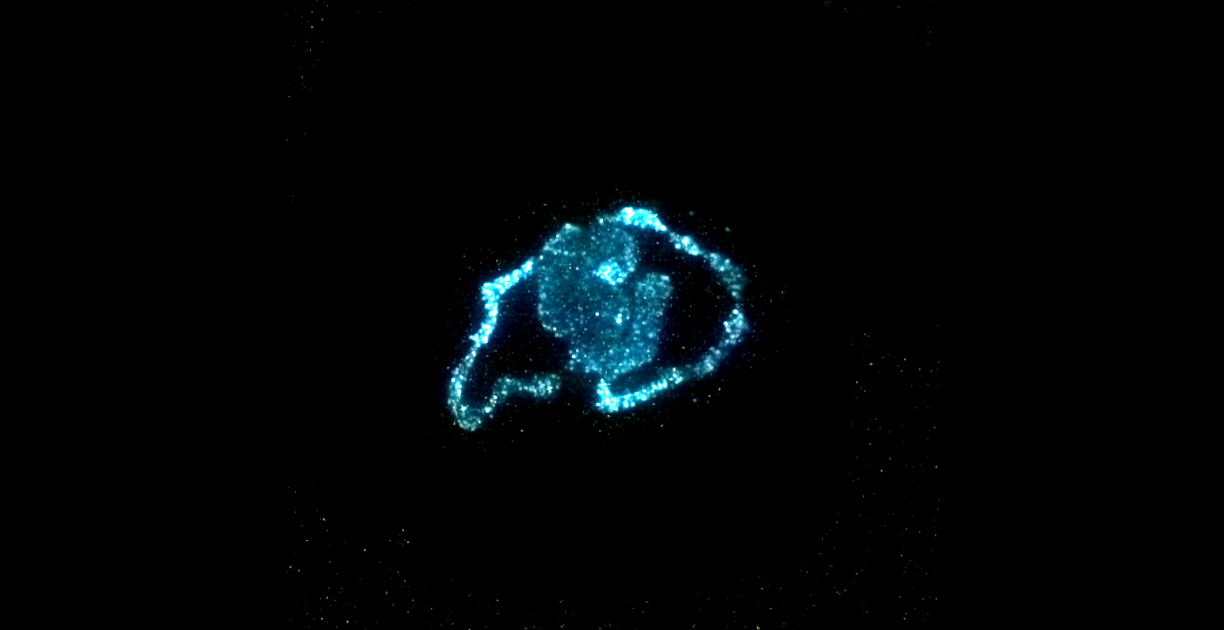
Researchers at the University of Colorado Boulder have developed a new way to use living algae as a light source. Their work shows how designers could use biology instead of electricity to create illumination. This approach opens up new possibilities for sustainable and bio-integrated materials.
Engineering Light Without Electricity
Bioluminescence allows living organisms to produce light through chemical reactions. In marine environments, species such as the algae Pyrocystis lunula emit a soft blue glow. However, this light usually lasts only milliseconds and occurs when the organism is disturbed.
The research team found a way to control and extend this effect. They exposed the algae to simple chemical solutions with either acidic or basic properties. Both conditions triggered light production. Acidic environments produced a brighter and more focused glow that lasted up to 25 minutes. Basic conditions created a softer and shorter glow.
This method shows how biological systems can replace conventional lighting in certain applications.
From Organism To Material Application
To make the algae usable in design, the team embedded them in a naturally derived hydrogel. Hydrogels are water-based materials that support living organisms. Designers already use them in fields such as biomedical design and soft materials research.
The researchers then used 3D printing to shape the material into patterns and structures. These ranged from simple forms to more complex geometries. When exposed to the chemical solutions, the embedded algae illuminated the entire structure.
The algae remained alive inside the material for several weeks. In acidic conditions, the structures kept around 75% of their brightness after four weeks. This stability is important for real-world applications.
Opportunities For Design And Sustainability
This research introduces a new type of living material. It combines biological processes with functional design. Architects and product designers could use these systems for low-energy lighting. Possible applications include interiors, installations, and temporary environments.
In landscape and urban design, bioluminescent materials could provide subtle illumination. They could reduce both energy use and light pollution. The visual effect also offers new aesthetic possibilities.
The system also supports sustainability goals. The algae perform photosynthesis, which means they absorb carbon dioxide while producing light. Traditional lighting systems, in contrast, generate emissions.
Future Applications: From Sensors To Autonomous Systems
The researchers are now testing how the algae respond to other chemicals. This could lead to living sensors that light up when they detect pollutants. Such systems could support water quality monitoring in a direct and visual way.
The technology may also support autonomous systems. For example, it could provide light for robots operating in dark environments, such as deep-sea or space exploration.
Although still experimental, this development shows how living systems can shape the future of materials. It points towards a new design approach in which materials are not only sustainable, but also active and responsive.
Source & image: University of Colorado Boulder
Comments