Algae-Based Biodesign Products Capture Carbon In Urban Spaces
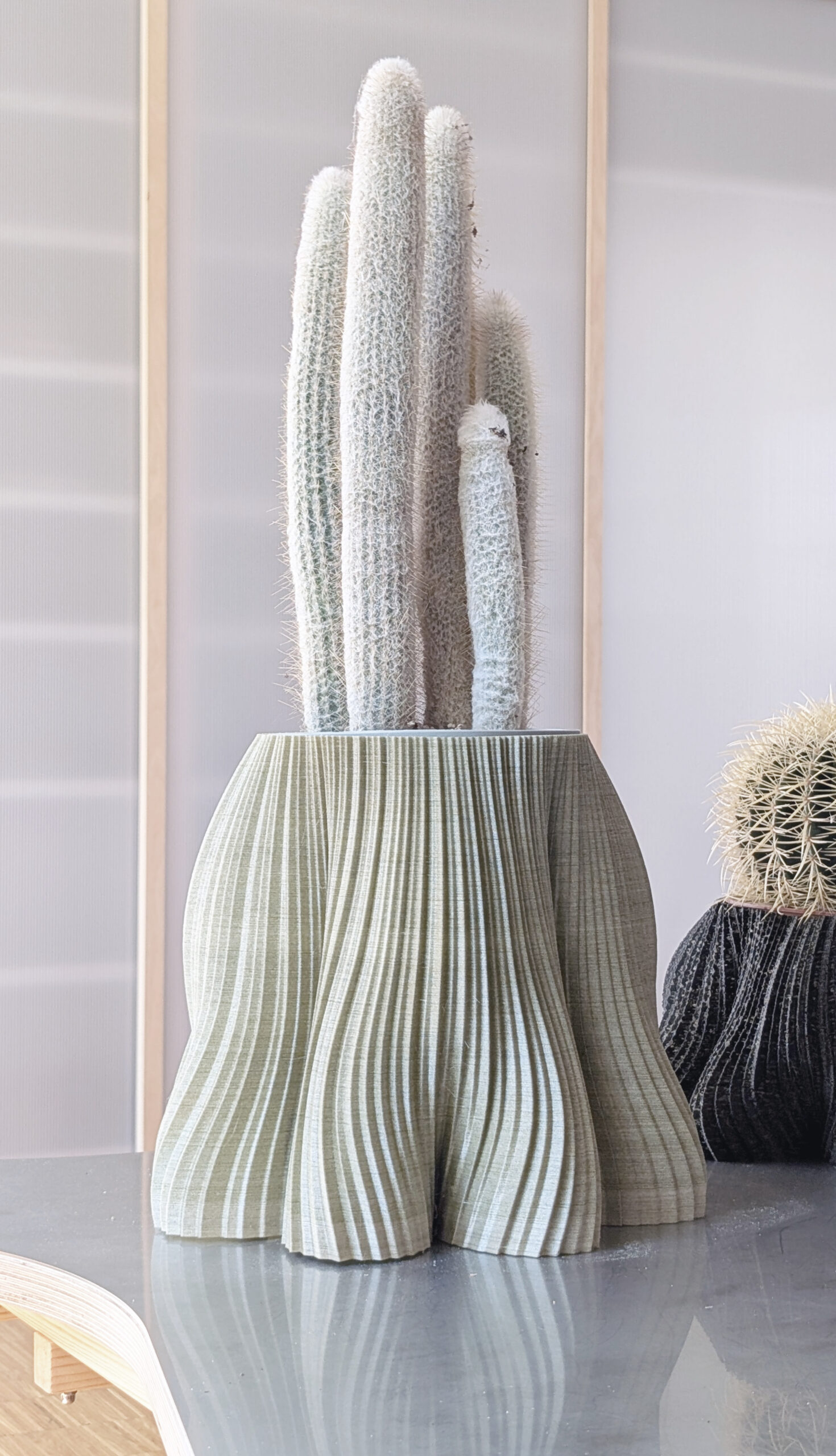
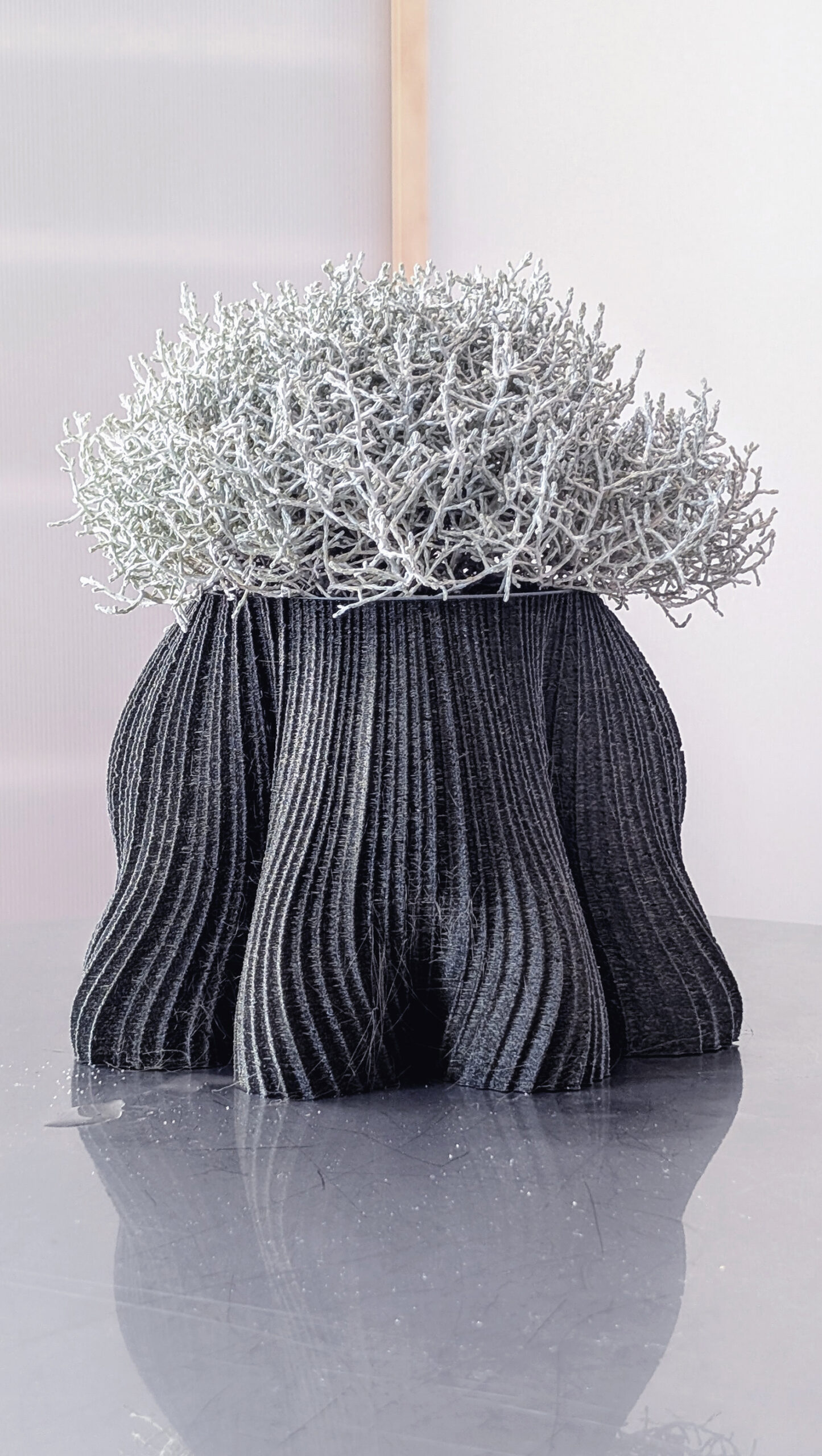
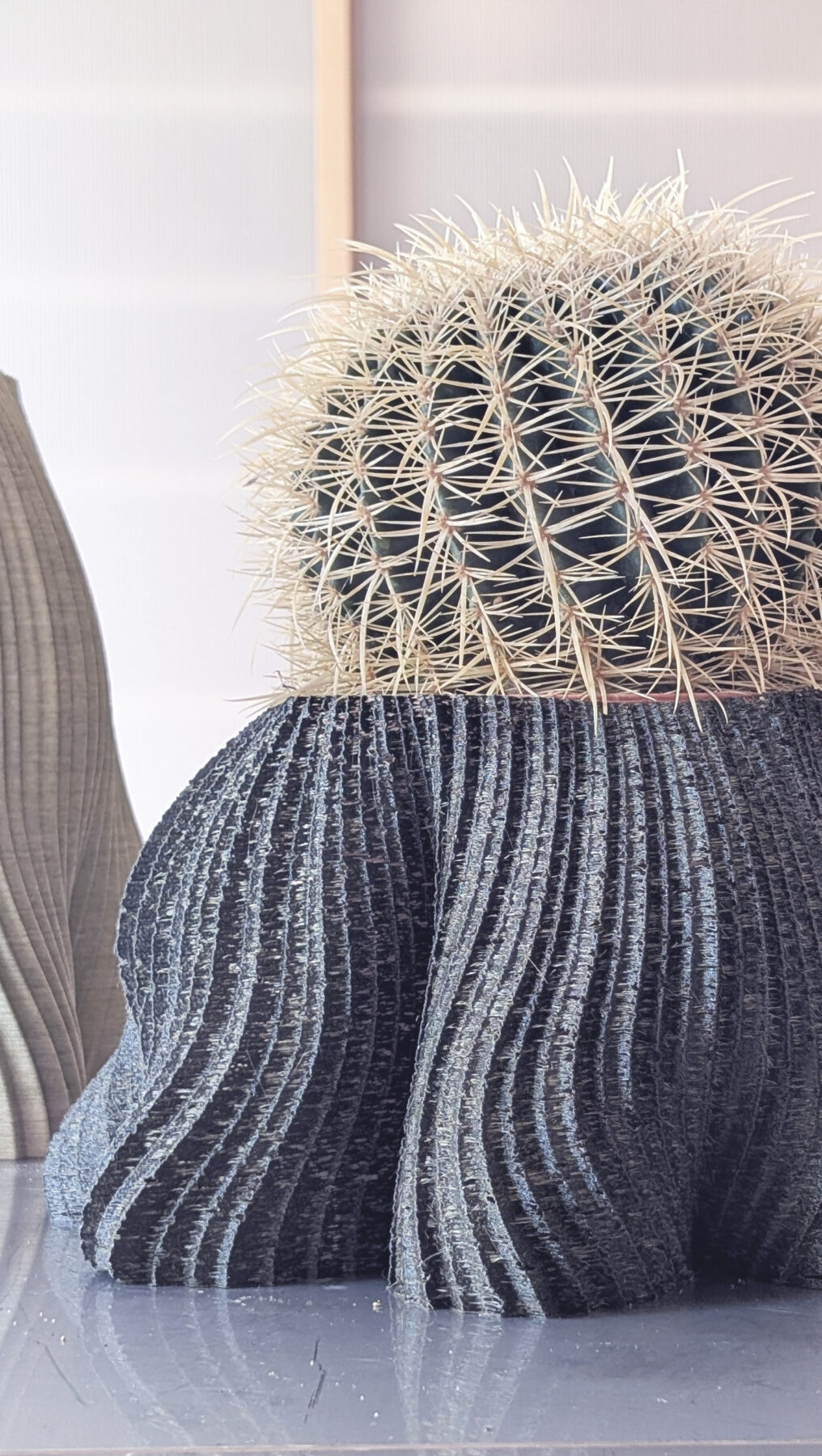
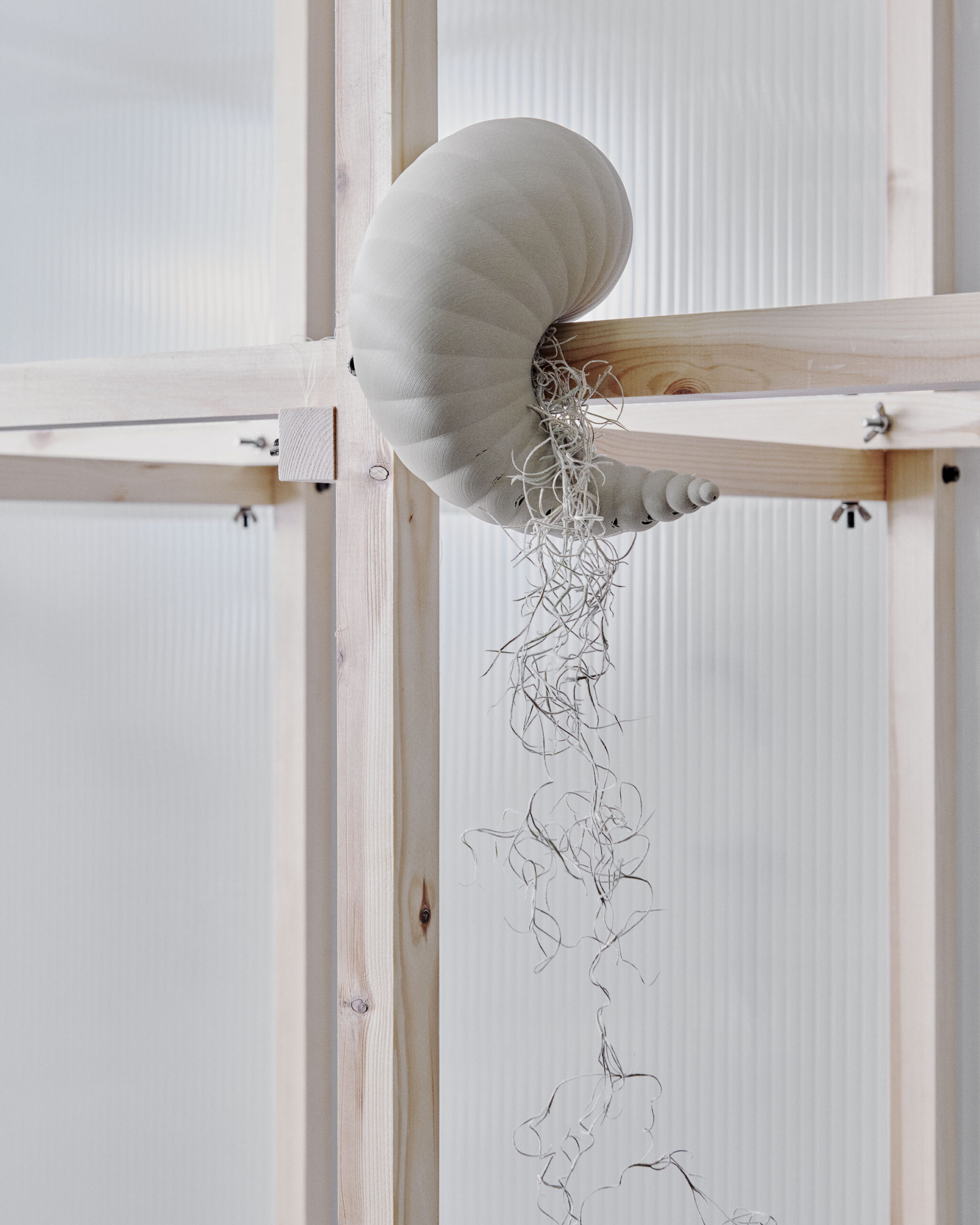
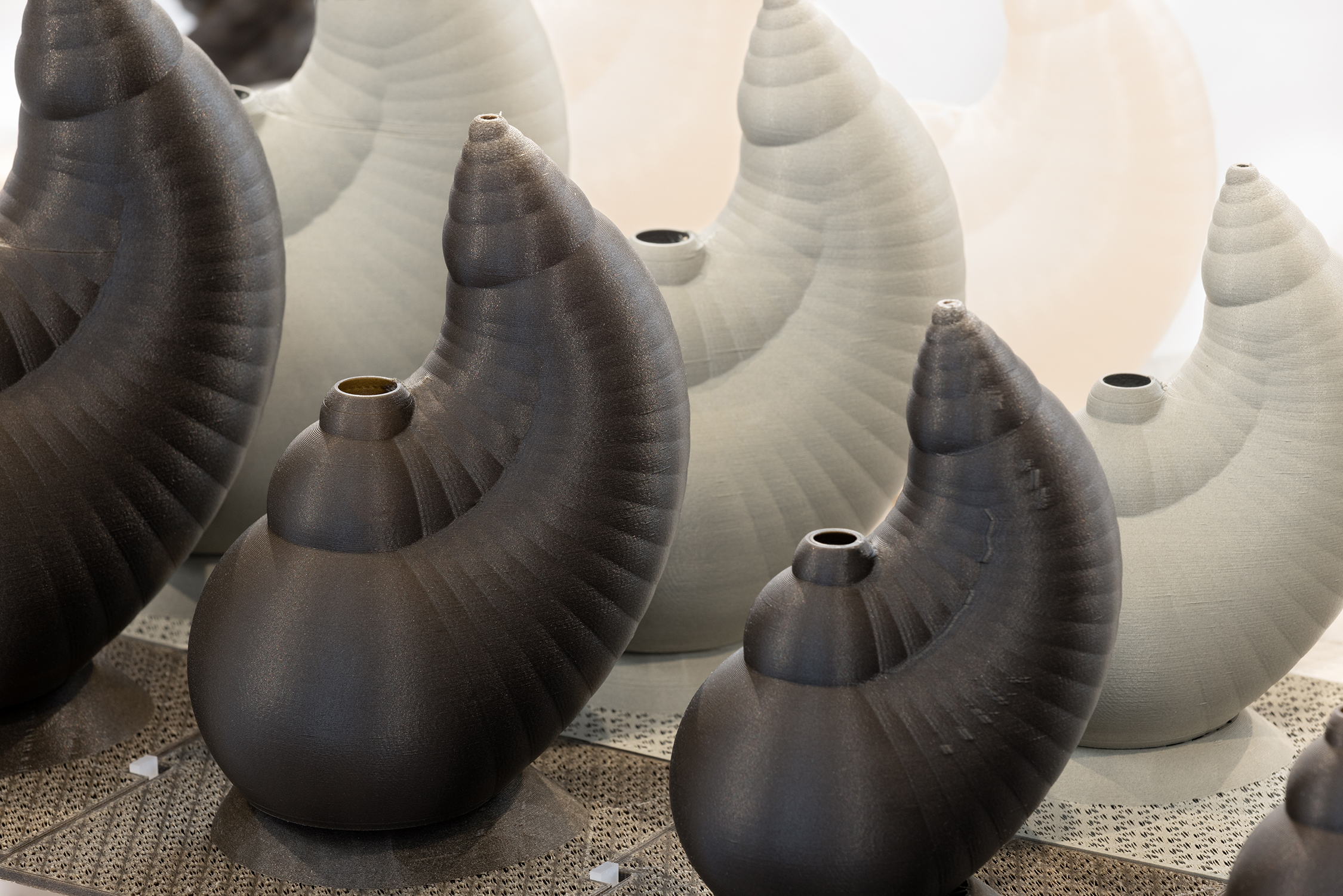
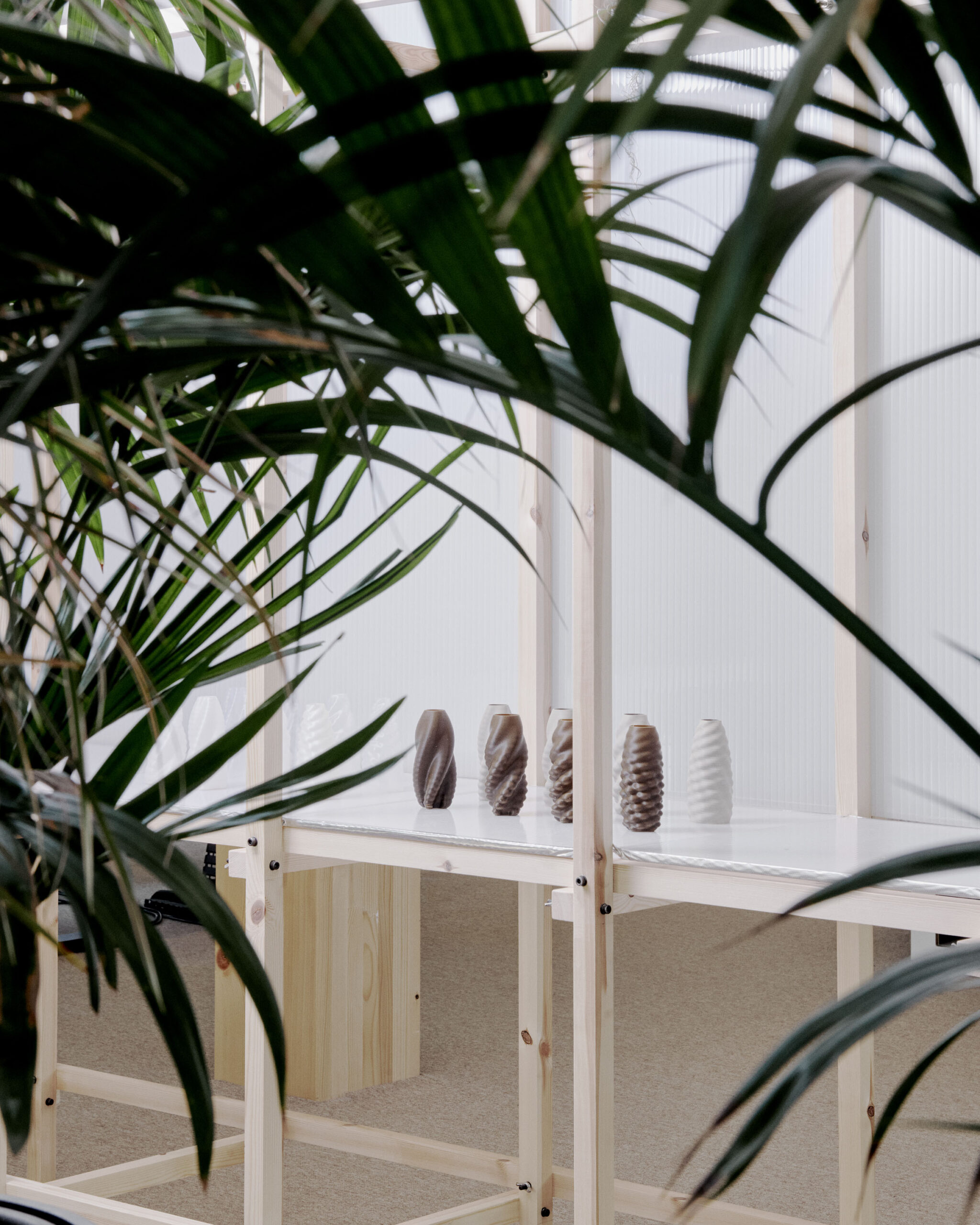
The PhotoSynthetica Gardening Collection by ecoLogicStudio introduces a new generation of biophilic design products. It combines biotechnology, digital fabrication and circular material innovation. Developed with UCL London and the University of Innsbruck, the project explores how designers can turn urban pollution into useful, biodegradable objects. At the same time, the collection redefines domestic gardening. Instead of decoration, it becomes an active, regenerative system. Interiors, balconies and shared spaces can now function as living infrastructures that support photosynthesis and material regeneration.
From Air Pollution To Algae-Based Materials
The project stands out for its material innovation. The designers use a bespoke algae-based biopolymer made from the by-products of air purification processes. Microalgae capture CO₂ and pollutants, which are then converted into a compostable 3D printing material.
As a result, the material locks carbon into a circular lifecycle. This approach shows how design can shift from extractive production to regenerative systems. Moreover, it highlights the growing role of biofabrication in product and interior design.
Biomorphic Design Meets Digital Craft
Each object in the collection reflects natural growth patterns combined with computational design. For example, the EARTHpot translates the cellular structure of mycelium into a breathable plant container. Designers control the texture through 3D printing parameters, so every piece becomes unique.
Similarly, the AIRpot supports air plants through a lightweight, open structure. Its geometry improves airflow and moisture retention. Because of this, the design enhances both plant health and environmental performance.
In addition, the WATERpot and ROOTINGpot focus on everyday care rituals. Their forms draw on natural geometries such as the Fibonacci sequence and cyanobacteria growth. These objects encourage users to engage more consciously with water use, plant propagation and ecological cycles.
Designing A Circular And Participatory Ecosystem
Beyond the objects themselves, the collection promotes a broader circular design approach. Users take on the role of ‘cyber-gardeners’. They actively participate in carbon capture, biomass cultivation and knowledge sharing.
Furthermore, ecoLogicStudio plans to expand the system with AI-powered tools. These tools will support carbon data visualisation, cultivation monitoring and material tracking. In this way, the project connects physical products with digital ecosystems.
For architects, interior designers and product designers, the collection offers an example of regenerative design in practice. It demonstrates how materials, fabrication methods and user interaction can work together to create sustainable environments. Ultimately, PhotoSynthetica turns pollution into a resource and transforms everyday spaces into living systems.
Source & photos: ecoLogicStudio
Comments